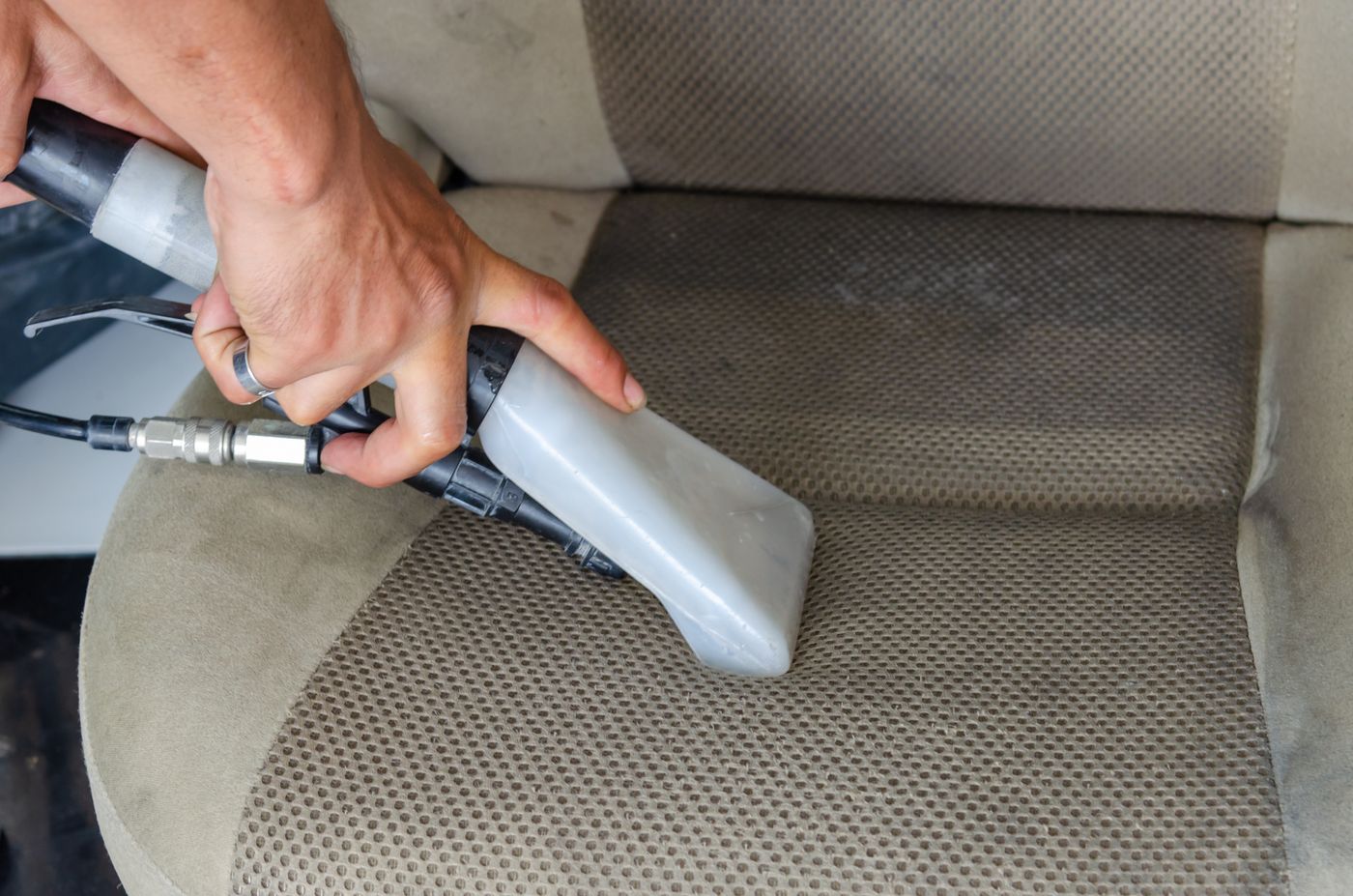
Cleaning enquiries for fabric seats, carpets, boot upholstery and other interior materials.
01Identify fabric, mark location and whether staining is old or fresh. Different materials need different treatment. Identify the fabric type and stain history where possible, including previous attempts to clean it. Ask about colourfastness, suitable treatment and drying time; cleaning cannot guarantee removal of permanent staining or wear.
Read guide →02Identify heavily soiled areas and removable mats. Underlay moisture needs particular care. Remove loose mats and describe any damp underlay, smells or recurring wetness. A surface clean is different from addressing a water ingress problem, which may require separate diagnosis.
Read guide →03Mention cracking, wear or coatings. Cleaning cannot replace missing colour or restore damaged leather. Describe any cracks, peeling, worn colour or previous conditioners. Leather and coated synthetic trim can require different care; ask for a material-compatible assessment rather than treating every seat as the same surface.
Read guide →04Describe hair and odour separately and note the affected seats or boot fabric. Record where hair is embedded and whether odour is associated with a particular area. Removing visible hair may not resolve contamination beneath trim or a persistent source of dampness; agree the intended scope.
Read guide →05Identify the substance where known and whether it has soaked into seams or padding. Note what was spilled, approximately when and how far it spread. Avoid concealing prior product use from the cleaner; some residues and deep moisture may require a different treatment approach.
Read guide →06Describe liners, recessed areas and contamination rather than assuming every boot needs the same treatment. Lift removable boot liners where safe and describe the material underneath. List areas that should be excluded, such as electrical equipment or items you cannot remove, before arranging access.
Read guide →07Arrange safe removal of child seats separately. Vehicle upholstery cleaning is not child-seat servicing. Remove and reinstall child seats strictly according to their manufacturer instructions. Agree the vehicle upholstery scope separately; a valet is not a child-restraint inspection or repair.
Read guide →08Describe everyday dirt or dust and any protective covers. Unusual or hazardous contamination needs specialist assessment. List the seats, fabric, protective covers and ordinary work-related dirt. Flag any suspected hazardous material so an appropriately qualified provider can determine whether ordinary cleaning is suitable.
Read guide →09Agree practical drying arrangements and avoid covering or using upholstery while still damp. Arrange sufficient ventilation and a realistic drying window before returning the vehicle to use. Do not assume a dry-feeling surface means deeper padding is dry; follow product-specific guidance.
Read guide →010Some discoloration is permanent. Request an assessment, not an unconditional stain-removal guarantee. Distinguish removable residue from faded colour, burns and worn fibres. Ask for an assessment of likely improvement and record the original condition before cleaning, without expecting an appearance guarantee.
Read guide → Every quote depends on the vehicle, suitable provider and actual scope. No unverified qualification or outcome is claimed.